
01
We Do Not Hide the Tannery.
Four suppliers, all named on the label. If we cannot tell you where a hide came from, we do not buy it — which is why the collection is small and why it stays small.
Complimentary shipping & returns worldwide
Made in limited runs — never restocked
Lifetime repairs on every jacket
Our House
Iron Crest has cut leather in the same building since 1978. Four tanneries, fourteen pairs of hands, and a repair bench that has never once been quieter than the cutting table.
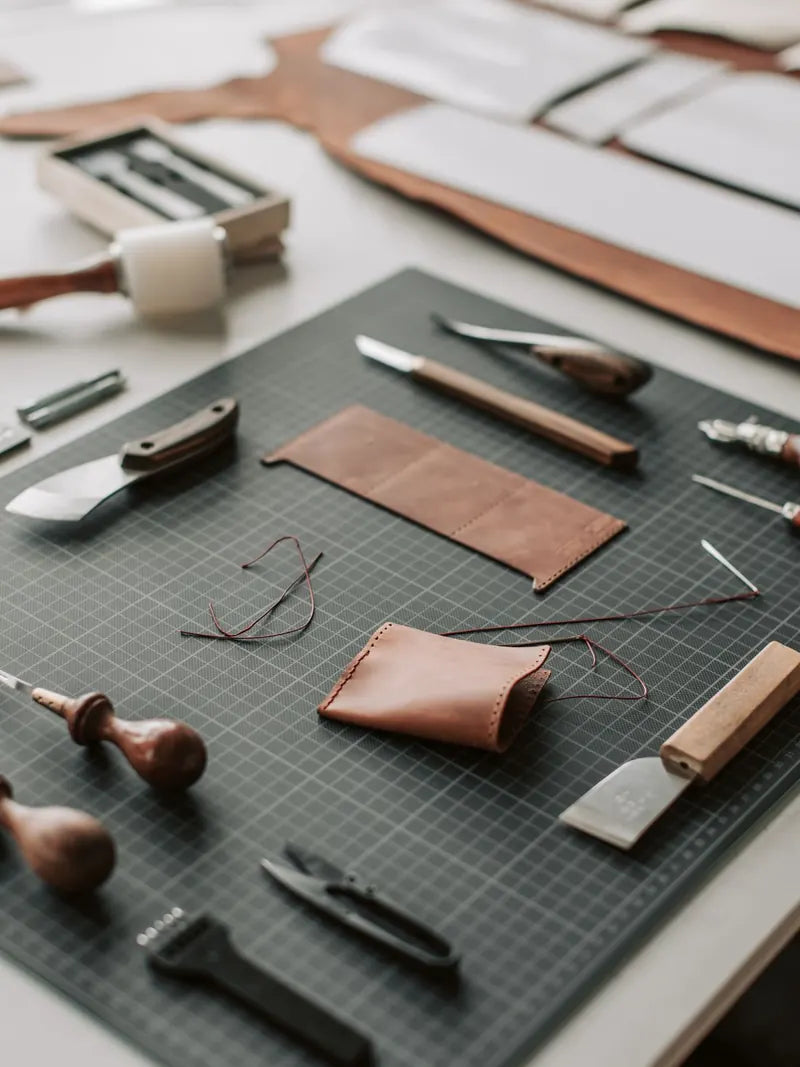
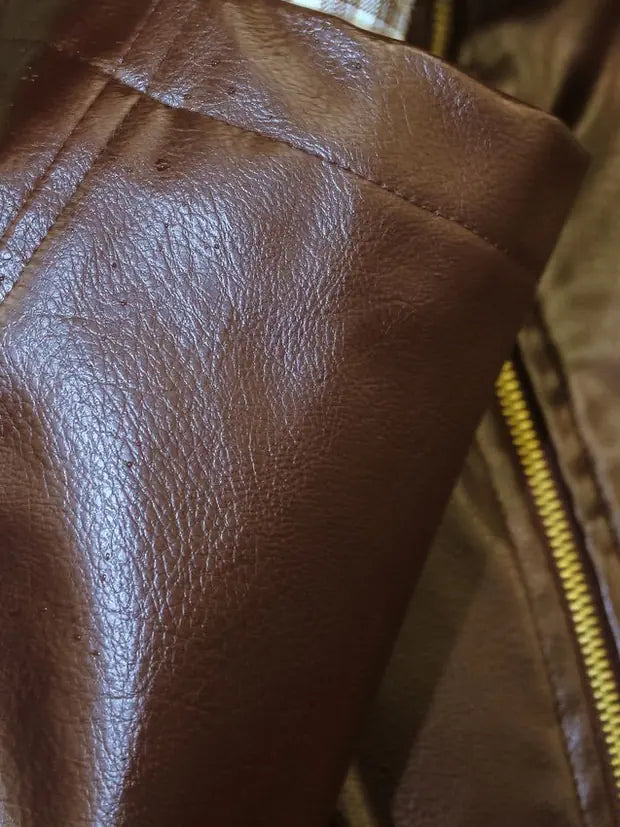
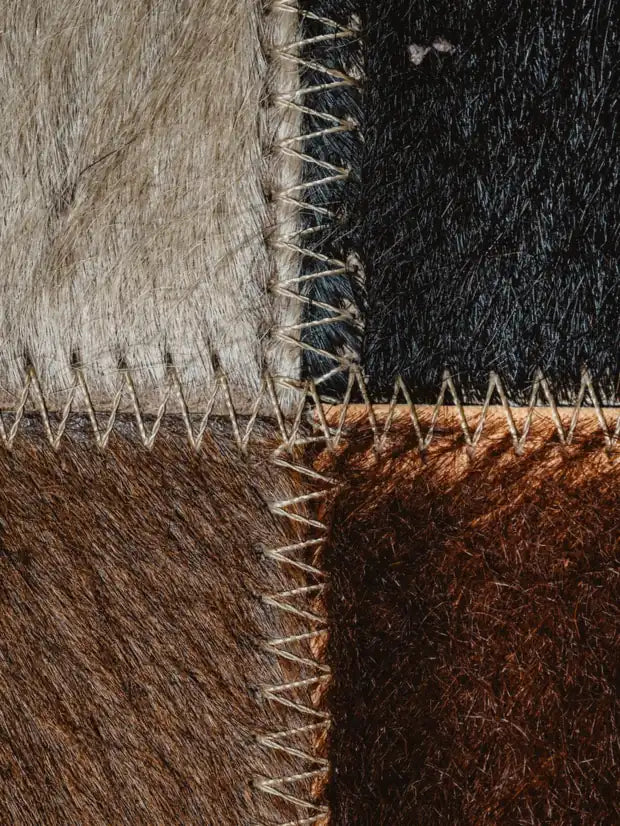
Most leather sold today is split, corrected and sprayed to look like leather. It photographs beautifully and it fails in three winters. We buy full-grain hides with the scars still in them, because the scars are the proof, and we cut around them the way a tailor cuts around a flaw in cloth — carefully, and at a cost.
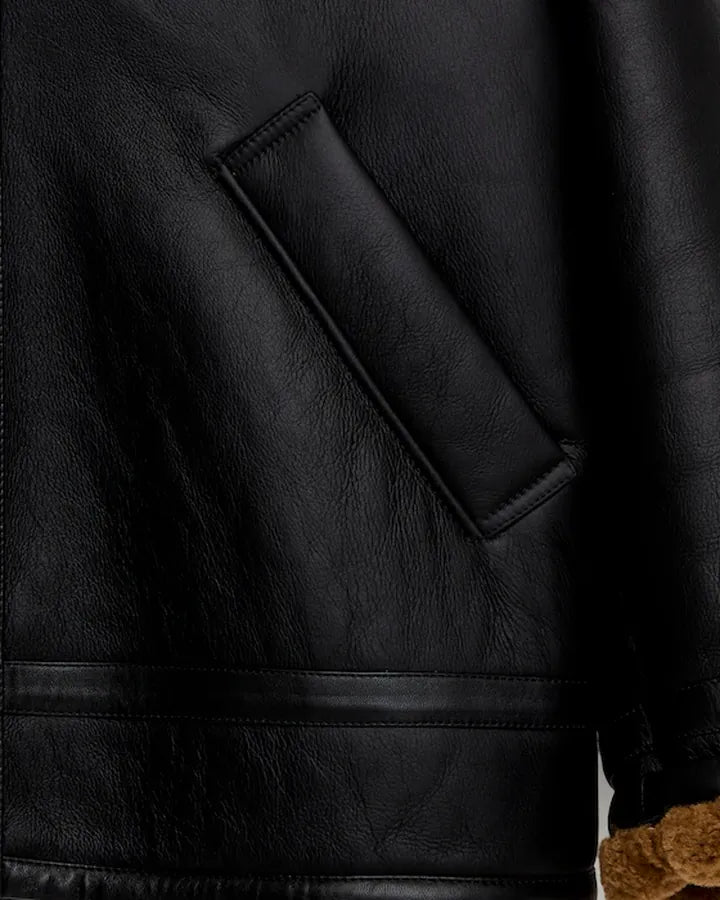
That decision sets everything else. A full-grain hide will not tolerate a fast seam, so our seams are slow. It will not tolerate cheap hardware, so our zips are solid, and tested to five thousand cycles. It refuses to be rushed, and after forty-eight years we have stopped trying.
“We are not making an object that has to look new. We are making one that has to look like yours.”
Ines Calder · Head of Atelier
01
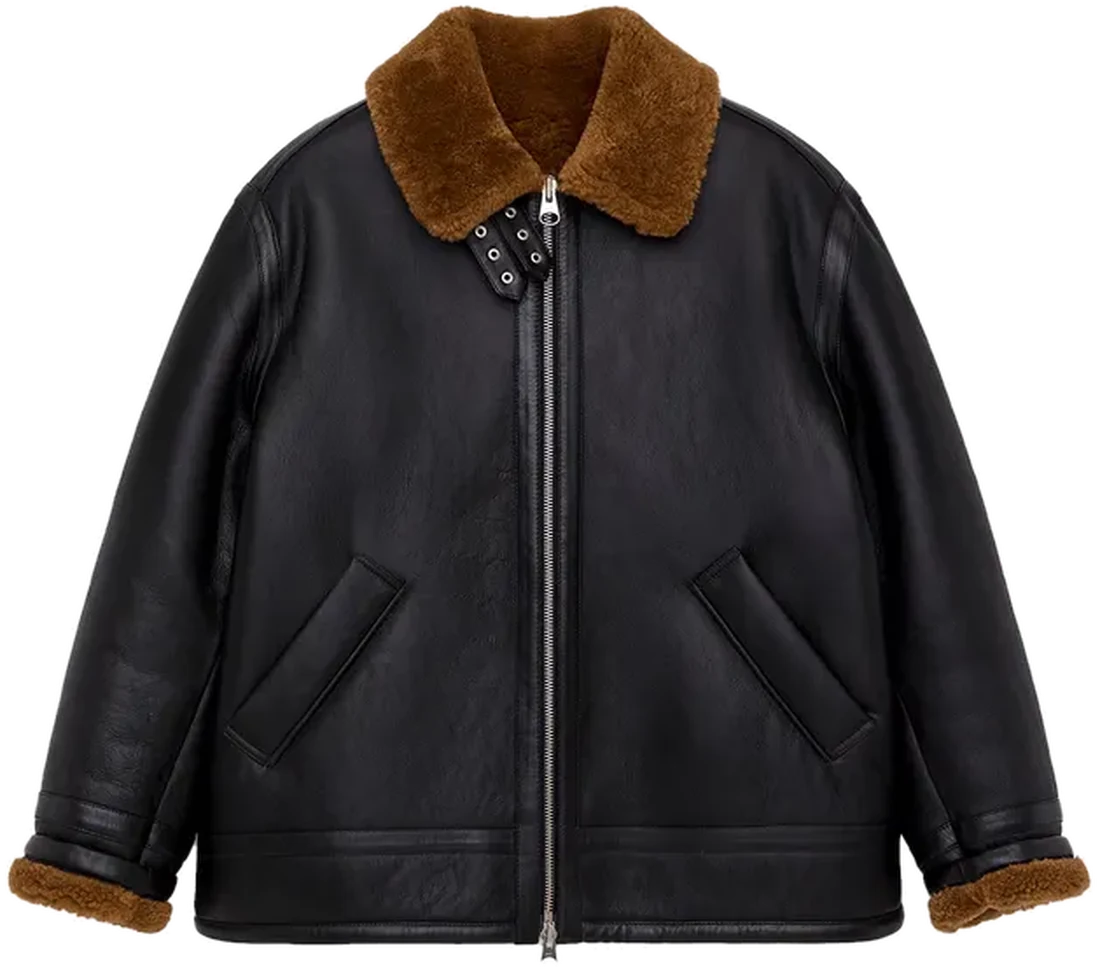
Whole hides arrive from four tanneries, never panels. A cutter reads each one against the light before a knife touches it — grain direction, stretch, the scars that have to be worked around. About a fifth of every hide is set aside. That waste is the standard.
02
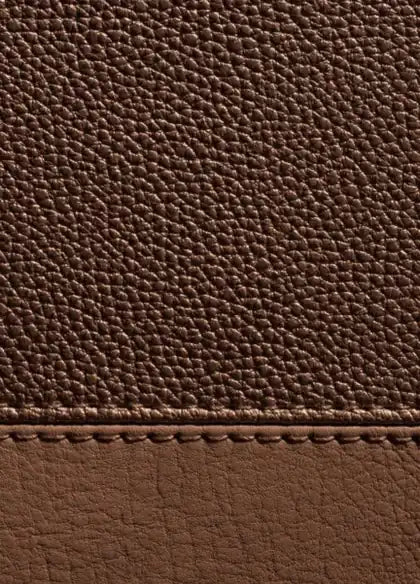
Every size gets its own block. Grading a single pattern up and down is faster and it is why most jackets fit one size properly and the rest approximately. Ours are cut from eight blocks, and the shoulder is redrawn on each of them.
03
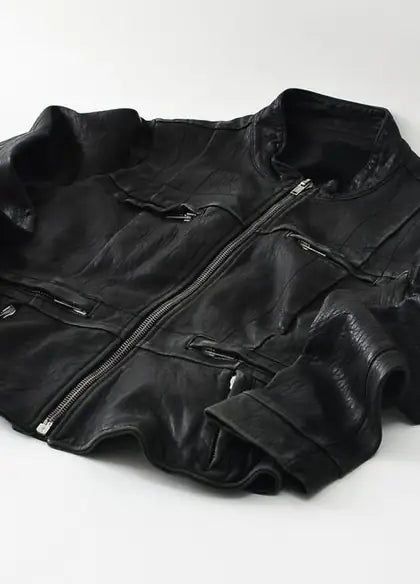
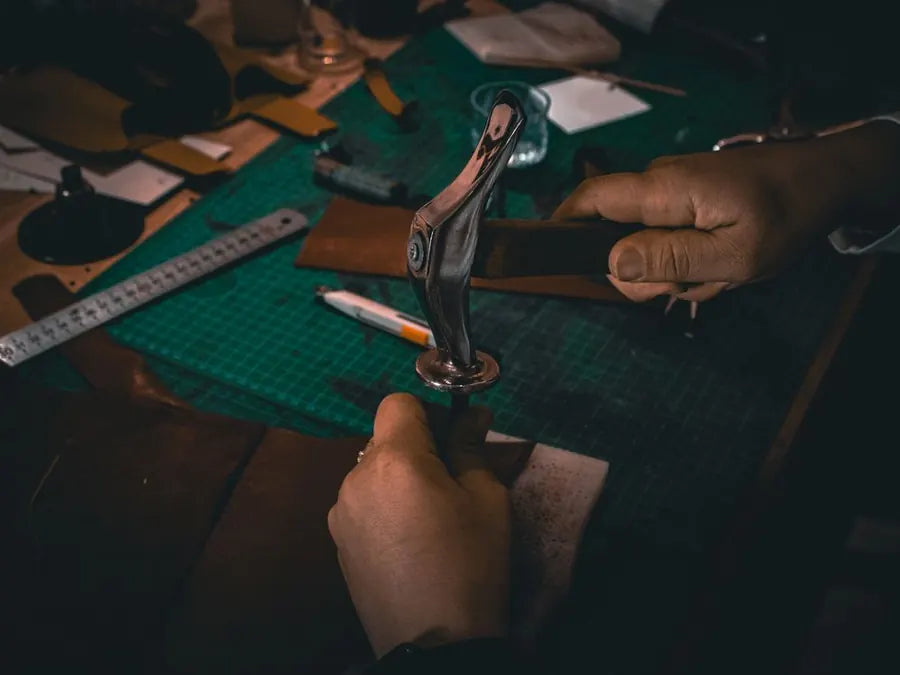
One maker takes one jacket from first seam to last. No line, no stations, no jacket passed half-finished to someone who did not choose the hide. It takes longer. It also means there is a name on the ticket inside the pocket, and that name is accountable.
04
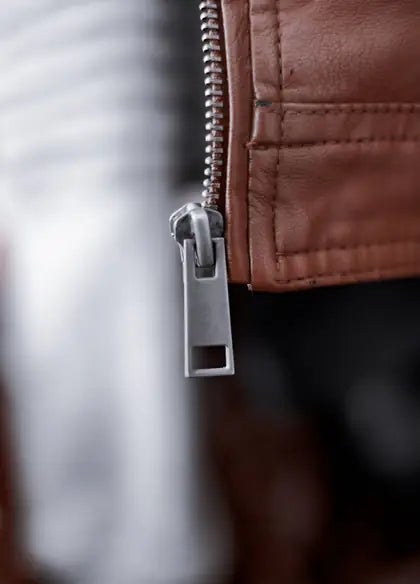
Hardware is set by hand and tested by hand. Every zip runs five thousand cycles on the bench before it is signed off. The last thing that happens to an Iron Crest before it is boxed is that somebody puts it on.
01
Four suppliers, all named on the label. If we cannot tell you where a hide came from, we do not buy it — which is why the collection is small and why it stays small.
02
One maker, one jacket. It costs us roughly a third more in labour than a stationed workshop and it is the single reason our seams hold where others open at the armhole.
03
Send back anything with our name in it, from any year, and we will repair it. Zips, linings, cuffs, panels. There is no window on this and there never has been.
1978
A workshop above a hardware shop, one bench, and an order book that ran to eleven jackets in the first year.
1986
The asymmetric biker pattern that still underpins the collection is drawn. It has been revised four times since and never replaced.
1999
A twenty-year supply agreement with a single shearling tannery. Same family, same grading, same handshake, still running.
2011
Two makers moved off production and onto repairs full time. It has never gone back to two.
2020
The last chrome-tanned hide leaves the building. Colours got harder and the leather got better.
Today
Still one building. Still one maker to one jacket. Still repairing things we made before most of the bench was born.
Five collections, made in short runs, repaired for as long as you own them.
